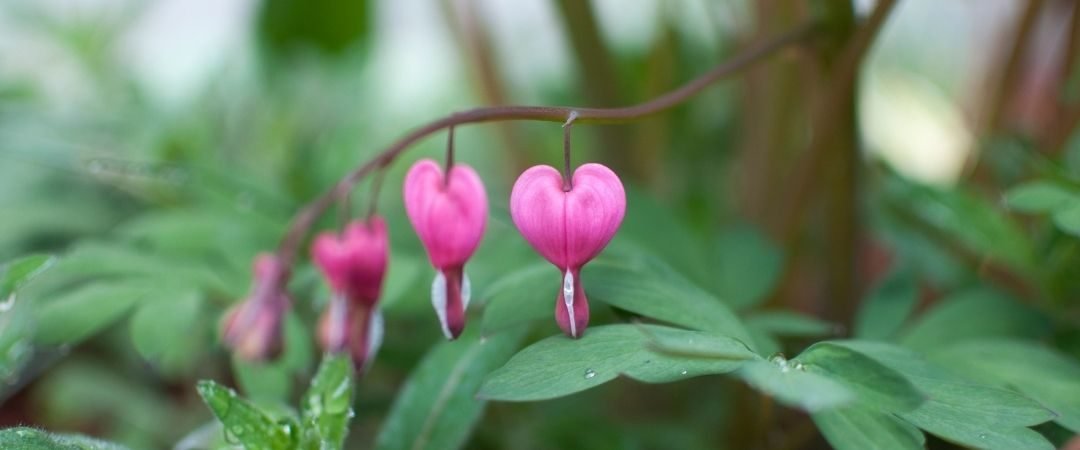
Spring’s Hidden Dangers
With spring in full bloom, gardens are a riot of color, fragrance, and life. This time of year feels hopeful and abundant, as new plants stretch their petals toward the sun. But among the beauty, certain plants harbor secrets—toxins that can cause harm to those who don’t know their true nature.
I've already shared with you some of my favorite winter/early spring toxic bloomers - check them out here: From the Dark Side of the Garden: Part 1
Let’s take a look at some of the dangerous plants thriving in my spring garden.
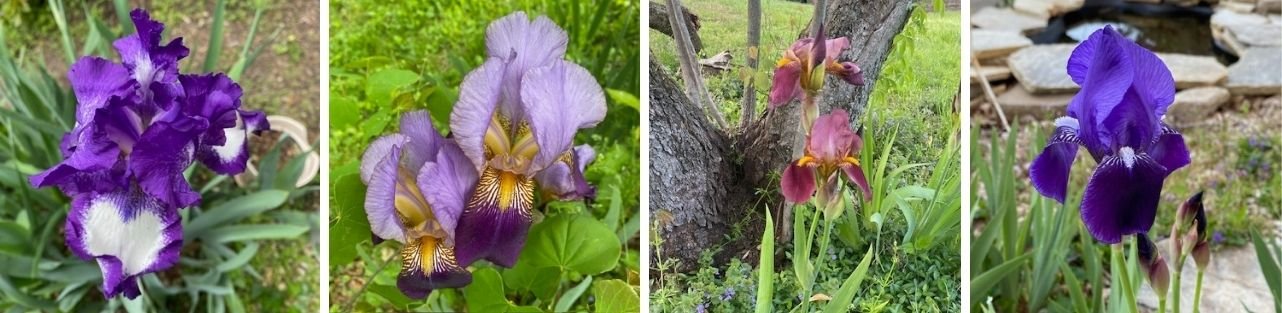
Irises: Elegance with a Hidden Edge
Irises are one of the most regal plants in my garden, with their intricate petal formations and bold colors. Historically, they’ve been symbols of royalty, hope, and communication.
However, few people realize that iris rhizomes are toxic. If ingested, they can cause nausea, vomiting, and abdominal pain. For me, irises represent the complexity of personal growth—beauty often concealing hardship, much like the journeys my characters face.
Bleeding Hearts: Romance with a Warning
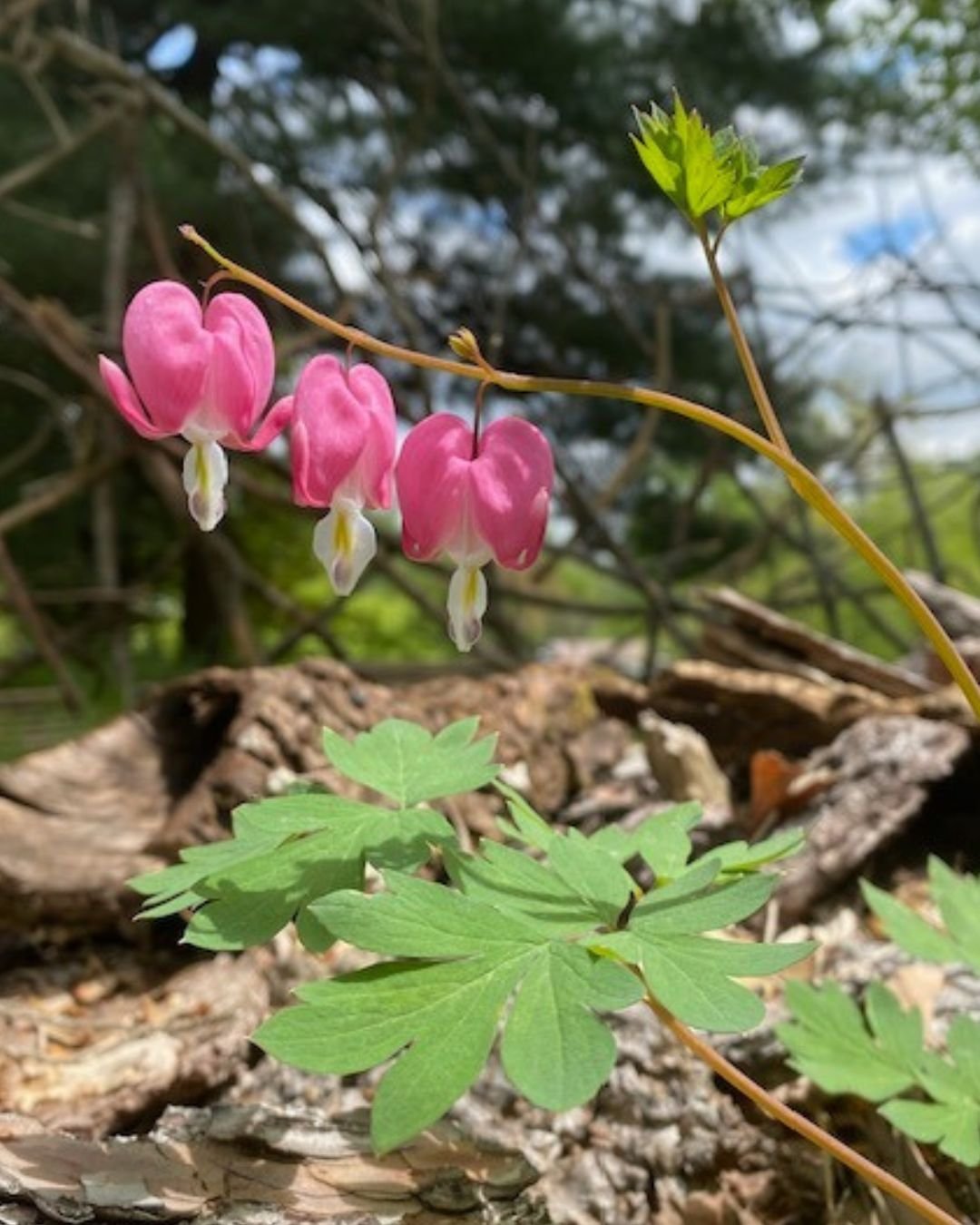
Bleeding hearts (Dicentra spectabilis) are a favorite in cottage-style gardens. Their heart-shaped flowers appear to be weeping, adding a touch of melancholy to their graceful arching stems. Often associated with both love and loss, these flowers have deep roots in symbolism and folklore.
Though beautiful, bleeding hearts contain toxic alkaloids that can cause dizziness and irritation if ingested. In my stories, they might serve as a metaphor for the tension between vulnerability and strength—how sorrow often leads to transformation.
Sweet Pea: Fragrant but Treacherous
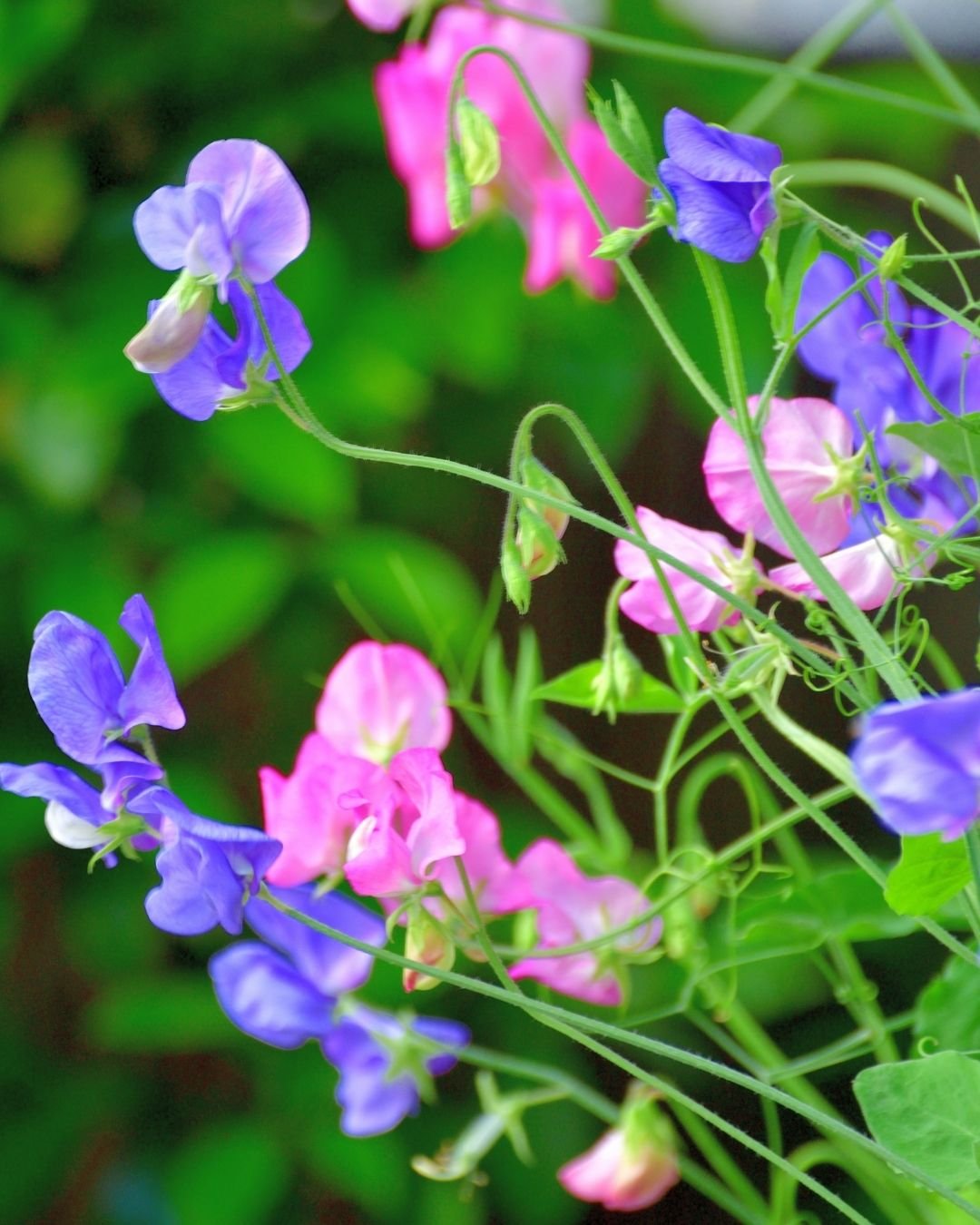
Sweet peas (Lathyrus odoratus) are a delight to the senses, with their delicate blossoms and intoxicating fragrance. They climb gracefully along trellises, adding height and whimsy to the garden.
But not all is sweetness. Sweet pea seeds and pods contain toxins that can cause neurological issues if consumed in large amounts. They remind me of themes I often explore in my stories—how seemingly harmless situations or characters can carry unseen danger.
Sign up for my newsletter!
 Would you like a behind-the-scenes peek into my little corner of the writing world?
Plus, get an exclusive story written just for my subscribers—available nowhere else!
In The Sweet Spot, characters from different series show up at Café Sienna,
where a jolt of real-life drama throws them together in surprising ways…
and no one leaves quite the same.
Mountain Laurel: Silent Threat
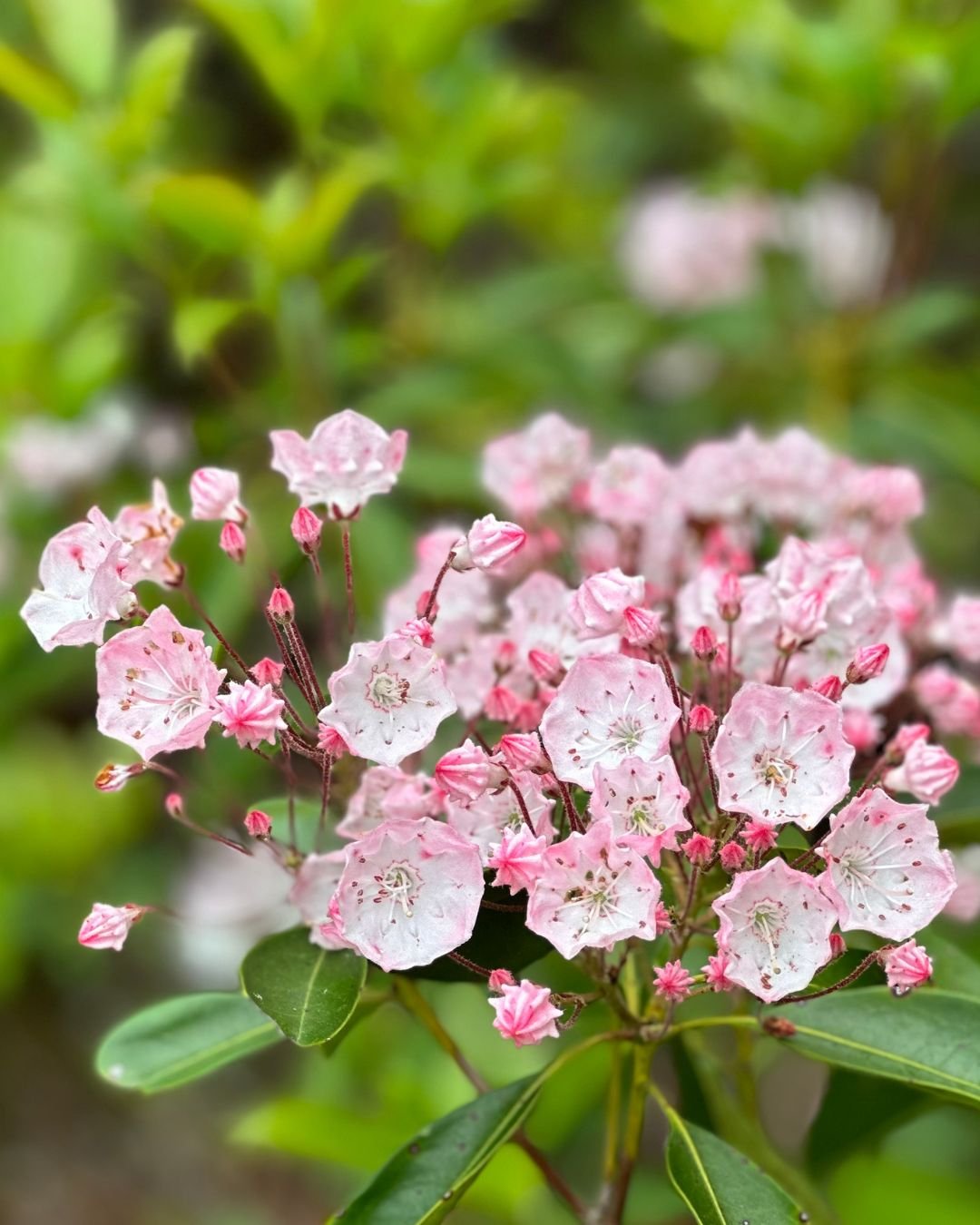
Mountain laurel (Kalmia latifolia) is a stunning shrub, with glossy evergreen leaves and clusters of bell-shaped flowers in shades of pink and white. It thrives in wooded areas and gardens alike, often blooming late in spring.
Despite its beauty, mountain laurel is highly toxic. Ingesting any part of the plant can lead to severe digestive issues and heart problems. It’s a perfect symbol of hidden peril—appearing safe and serene on the surface while concealing great risk underneath. In my stories, gardens and landscapes often reflect the duality of protection and danger.
Lessons from the Spring Garden
Spring is a time of hope and rebirth, but nature has its warnings. These plants remind us that beauty and danger often go hand in hand. Just as in life, the key is to look deeper, to recognize the hidden risks, and to proceed with both awe and caution.
What about you?
Do you have any favorite spring plants with a hidden story or meaning? I’d love to hear about them! Share your thoughts in the comments below.
~ ~ ~
Gardens and plants weave their way into my my fiction, like they do in Elderberry Croft or my Autumn Lake Romance Series today. You can peruse all of my books here: Becky Doughty Books.