Gardens are places of beauty and tranquility—or so they appear at first glance. Look a little closer, and you’ll find stories hidden in the leaves, petals, and roots. Some of those stories are downright dangerous.
I've always been fascinated by plants that carry an air of mystery, especially the ones with a hidden, sometimes deadly, side. Several of these plants grow in my own garden, and their presence never fails to inspire my stories and the characters in them.
Hidden Perils of Early Bloomers
In the depths of winter, gardens can feel lifeless and bare. But for those who pay attention, early bloomers—those defiant plants that push through frost and snow—offer the first signs of spring. Beneath their delicate beauty, however, some of these plants conceal toxic secrets.
Let’s take a walk through the darker side of my garden.
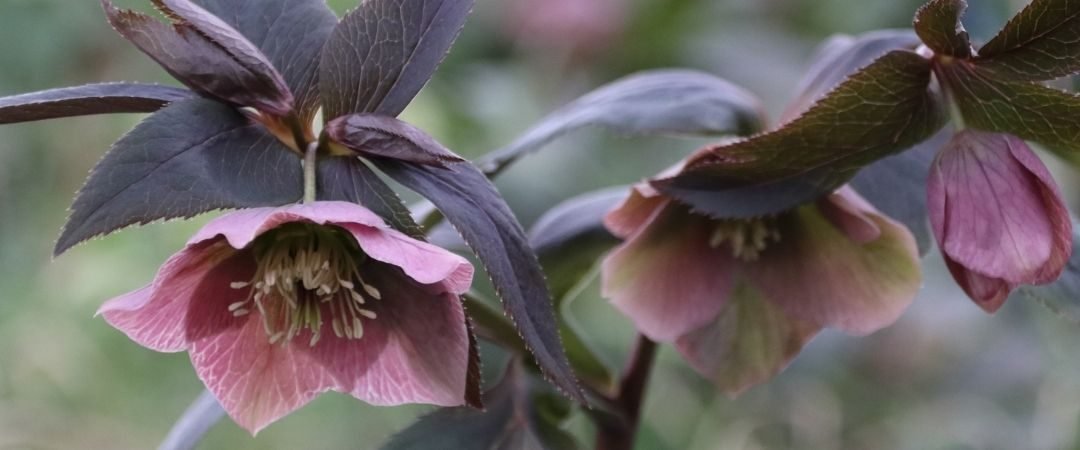
Hellebore: The Winter Rose with a Secret
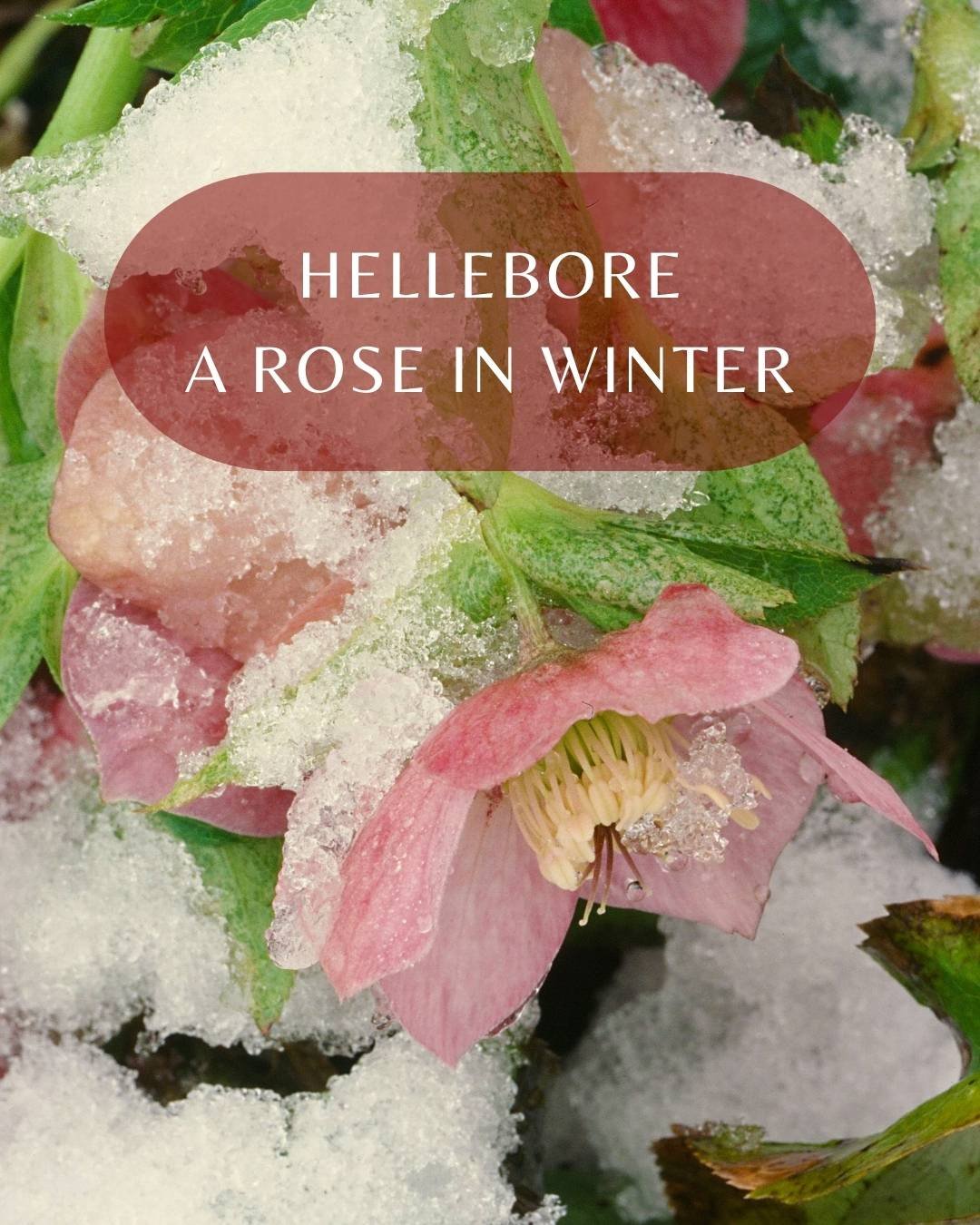
Few flowers are as striking in winter as hellebore (Helleborus). It can bloom as early as January, often pushing through snow and frost, ranging in color from creamy white to deep plum, and commonly known as the "Christmas Rose" or "Lenten Rose."
However, don’t be deceived by its beauty. All parts of the plant—particularly the roots—contain toxins that can cause nausea, vomiting, and even cardiac issues if ingested. Hellebore has a long history in folklore, where it was believed to have protective and even magical properties. It was once used to drive away evil spirits and insanity, though handling it without gloves might just lead to skin irritation instead of divine protection.
Despite its toxicity, hellebore is one of my favorite plants. There's something powerful about its ability to bloom so defiantly in the cold, and I look forward to the first buds poking up from between the leaves every January.
Early Spring Bulbs: Daffodils, Tulips, and Lily of the Valley
These classic early bloomers bring vibrant color to the garden just as winter starts to release its grip. But beneath their cheerful exteriors, they carry hidden risks. These plants are a reminder that beauty often has a hidden edge. Like some of the more nefarious characters in my books, they can’t be taken at face value.
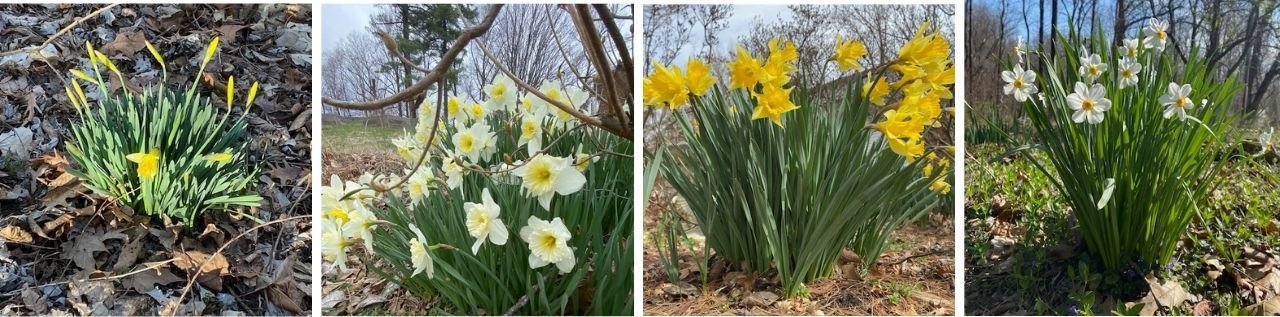
- Daffodils (Narcissus): Often considered the heralds of spring, narcissus plants contain a toxic compound called lycorine, especially concentrated in their bulbs. Ingesting them can lead to symptoms like nausea, dizziness, and abdominal pain.
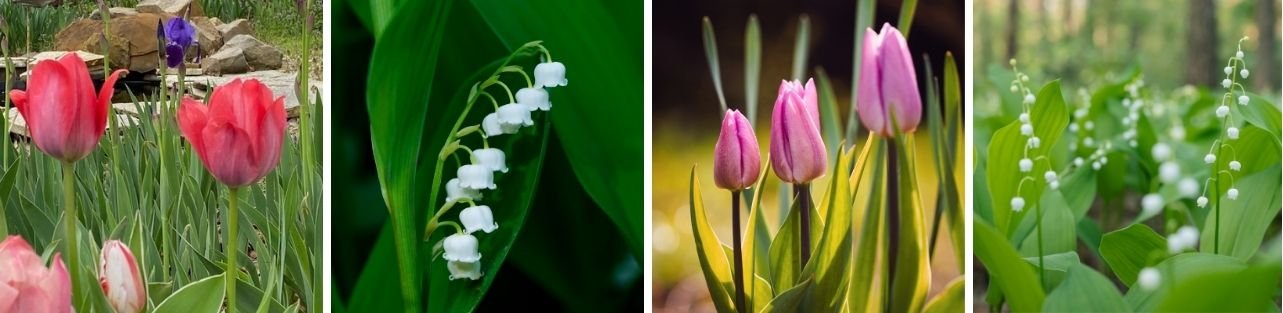
- Tulips (Tulipa): Beautiful yet deceptive, tulip sap contains compounds that can cause skin irritation and more serious symptoms if ingested.
- Lily of the Valley (Convallaria majalis): A symbol of sweetness and humility, this fragrant beauty is deceptively small but powerful. The plant's cardiac glycosides can cause irregular heart rhythms and even cardiac arrest if consumed in large quantities.
Snowdrops: Innocence with a Twist
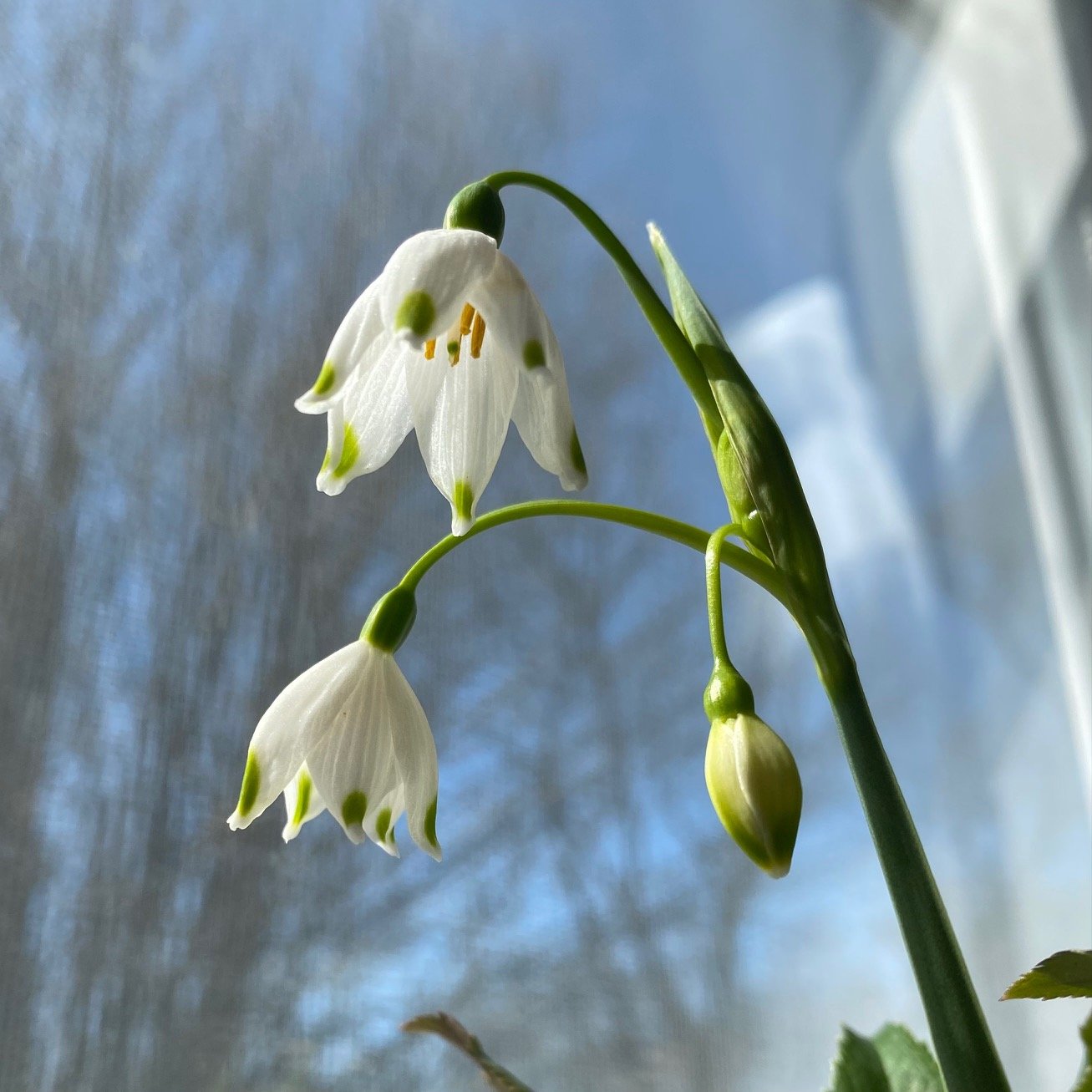
Snowdrops (Galanthus) are among the first flowers to break through the snow, their nodding white blooms symbolizing hope and renewal. But despite their innocent appearance, snowdrops contain galantamine, a chemical that can cause nausea and other symptoms if ingested.
In folklore, snowdrops were considered protective plants, but their toxicity suggests that nature always maintains a delicate balance between protection and danger. In my writing, I often explore this balance in settings where beauty hides peril.
Sign up for my newsletter!
 Would you like a behind-the-scenes peek into my little corner of the writing world?
Plus, get an exclusive story written just for my subscribers—available nowhere else!
In The Sweet Spot, characters from different series show up at Café Sienna,
where a jolt of real-life drama throws them together in surprising ways…
and no one leaves quite the same.
Cyclamen: The Devoted Cold Heart
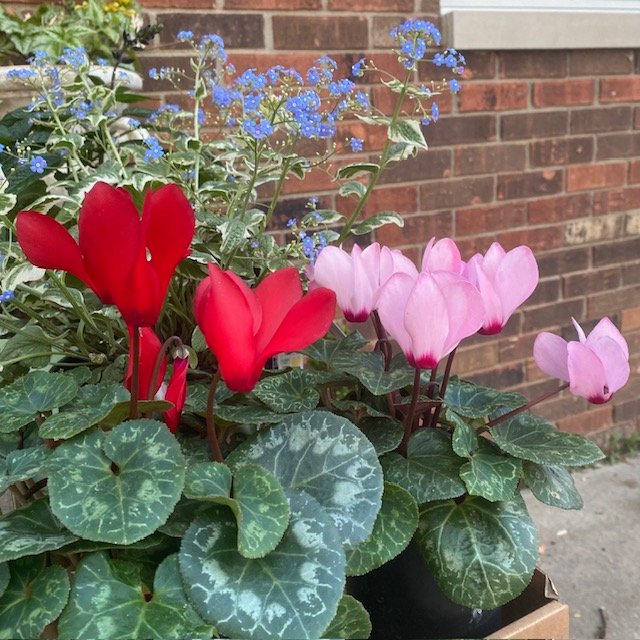
Cyclamen (Cyclamen spp.) thrives in cool weather, with its whimsical, upswept petals and mottled leaves adding a touch of elegance to the garden. Often given as a gift plant, cyclamen is also steeped in mythology, symbolizing deep love and devotion. I always think of my dad when this flower blooms - they were one of his favorites in my garden.
However, cyclamen contains toxic saponins, especially concentrated in its tubers. Ingesting these toxins can lead to severe digestive issues. For me, cyclamen represents the duality of trust and betrayal—a theme that runs deep in many of my stories.
Nature’s Hidden Warnings
In nature, bright colors and fragrant blooms often serve as a warning to stay away. These early bloomers may offer hope for warmer days ahead, but they remind us that beauty is often more complicated than it seems. This complexity—the tension between life and danger—is one of the reasons gardens play such a central role in my storytelling.
What about you?
Do you have any favorite early spring plants with hidden stories or dangers? I’d love to hear about them! Share your thoughts in the comments below.
~ ~ ~
And if you're curious about how gardens and plants weave their way into my my fiction, check out Elderberry Croft or my Autumn Lake Romance Series today, or peruse all of my books here: Becky Doughty Books.